
For our EdTech presentation, my group chose to explore Virtual Field Trips. During our research, our main question was “How can virtual field trips enhance accessibility and engagement for elementary students with diverse learning needs”? First, let’s start off by discussing what virtual field trips are.
Virtual Field Trips (VFTs) are immersive, technology-based experiences. These experiences are unique because they can help students explore remote locations, historical sites, museums, and even travel through time, all from the comfort of their classroom.
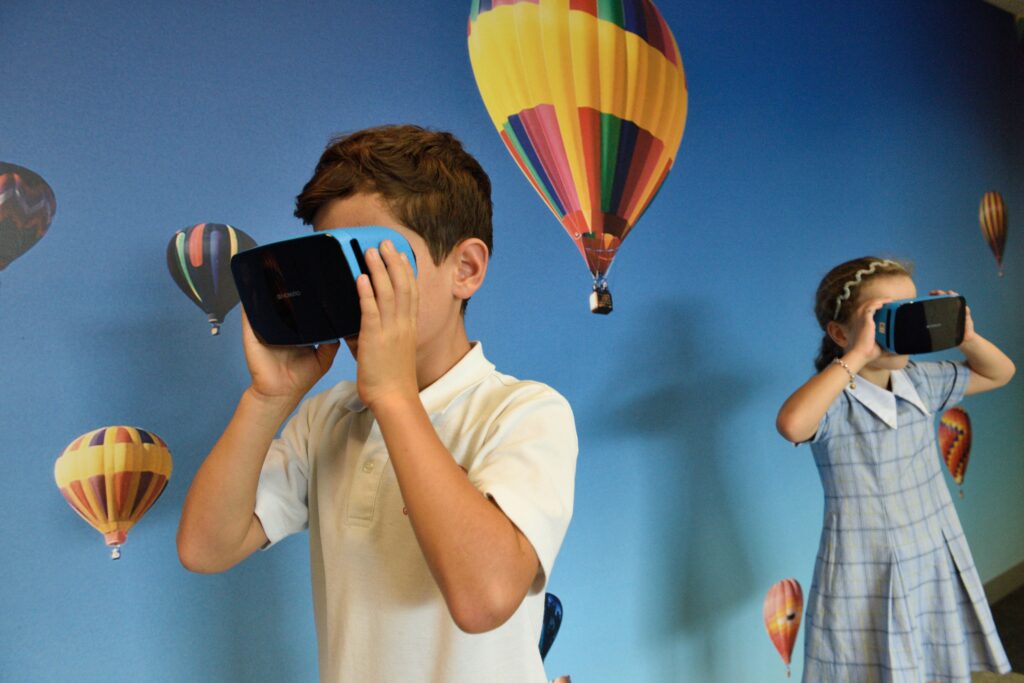
As a future educator, I believe VFTs are a valuable tool as they assist in overcoming barriers of distance, time, physical limitations, and financial constraints. VFTs offer many different accessibility aspects as well. VFTs are not only affordable for students and their families, but also a great option for physical limitations, as well as accommodating learners in need of extra sensory and language support.
What is the relationship of your topic to teaching and learning?
Virtual field trips enhance teaching and learning by making otherwise unreachable experiences accessible to all students. They foster a UDL framework and assist learners in building stronger connections to curriculum concepts. Teachers can use these experiences to develop background knowledge, inspire curiosity, and bring an engaging, enjoyable element into daily instruction. When thoughtfully designed, virtual field trips foster active participation, making them a powerful and valuable resource for the classroom.
What are the Pros, Cons and Risks?
Pros for VFTs are that they open the door to experiences that many students might not otherwise have access to due to cost, distance, or safety constraints. They allow classes to explore several different monuments, museums, ecosystems and much more, without leaving the classroom. These trips can also be highly interactive and engaging for students. You can integrate videos, quizzes, live chats with experts, and hands-on digital activities that deepen engagement and curiosity. Having several different accessibility options, like language and sensory support, benefits students with learning needs.
Cons for VFTs are that they can force students to lack real-world connection skills that are created through in-person interactions. Students may miss out on foundational learning, social interaction in new environments, and the sense of adventure that physical trips provide. Technical issues such as poor internet connection, device limitations, or platform glitches can also interrupt the learning flow and reduce student engagement. Another con is budget-related. The possibilities with VFTs really depend on what your school district’s budget can afford. Although VR headsets are by no means necessary, many schools can’t afford high-tech VR gear.
Risks for VFTs involve technology and online safety. Students may encounter inappropriate content or unsecured links if trips are not carefully picked through by the teacher beforehand. There is also a risk of too much screen time, especially for younger learners who need a balance of movement and hands-on activities. Additionally, some platforms collect data, so teachers must ensure that resources comply with privacy requirements and school policies.
What are some of the best strategies, practices and tips regarding your findings?
Although there are many ideas, here are a few I think are most important:
- Preview the virtual field trip beforehand (check for platform safety, and test the technology yourself)
- Have a clear learning intention
- Ensure students have a prior background (or existing knowledge) on the topic and the platform that is being used
- Set clear learning goals and boundaries
- Prepare guided questions to keep students on track
- When planning, create natural spaces in the field trip for pauses, questions, activities or discussions
- Afterwards, prepare reflection activities like journals or creative projects to not only reinforce learning but also check for understanding
- Always adapt the field trip to various learning needs
Throughout our research, my group and I created a Canva slideshow that shares our findings. This presentation highlights just a small glimpse of the many opportunities that VFTs offer. As a future educator, I’m excited by the possibilities VFTs bring to the classroom, and I look forward to exploring this approach in my teaching career.
Linked is a copy of our Digital Artifact .When creating our artifact, we each found one website or idea from the 47 Amazing Educational Virtual Field Trips website. This website offers so many possibilities for educators to bring fun and engaging virtual field trips into the classroom.
The links we used to create the screencast are thinglink, BBC Learning Hub, and Google Earth. Please visit 47 Amazing Educational Virtual Field trips for many more fun and engaging VFTs ideas!!
Sorry, but comments are not enabled on this site.