
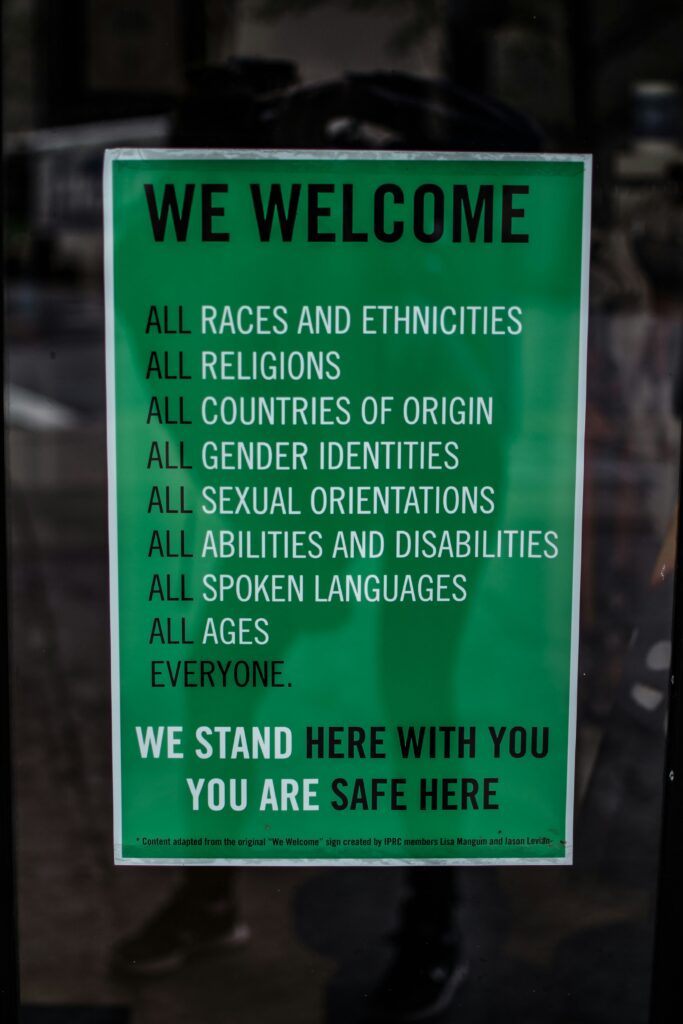
Universal Design for Learning (UDL) makes learning accessible for students by providing a flexible learning environment meeting the needs of all learners. In ED-D 301, we learned that UDL removes learning barriers by providing various methods to access information, multiple strategies and technologies to keep students engaged, and flexible options for students to personalize how they demonstrate their knowledge.
Here is a great video by Shelley Moore, where they speak about moving away from the medical model, where we only fix physical needs, and move towards a more social model. The social model is geared towards helping people, not because they have a physical disability or because something is wrong with them. It’s likely because they may have something in their environment or around them, causing them to be unsuccessful.
As previously listed in my last post, the American site entitled Understood offers ideas on how to incorporate UDL in the classroom. Here are a few benefits of UDL in the classroom.
- Reduces Barriers – This is so important. As we know, no two children are the same. Having a classroom that is aware of diversity and how amazing it is will ultimately erase some unnecessary hurdles that students with physical disabilities or learning disabilities may have otherwise had to face.
- Increases Independence – UDL provides children with the tools they need to be successful learners, which in turn creates confidence and independence. Eventually, students are able to work and self-regulate independently.
- Much like reducing barriers, Inclusion is so important in a learning environment. UDL provides a safe place where people of all backgrounds and abilities are welcome to learn and grow. Making students aware of the importance of inclusion right from the get go will create a stronger community in the future.
Here is another video on UDL in the classroom created by TeachingsinEducation, a YouTube creator who posts on many different subjects within education.
After watching this video, I have a better understanding of the importance of UDL. One part standing out to me is the UDL Principles. Expression (allowing students to share their knowledge in a way that makes most sense to them and their needs), Representation (how the information is being interpreted), and Engagement (providing various ways to motivate and engage students to learn). Having multiple ways to represent the information is crucial.
From my past experience working with an auditory learner, an audio book would be their only option for them to be independent while still receiving the same information as the rest of the class. I can also appreciate the importance of expression and engagement. As mentioned in the video, starting off the year with an “All About Me” questionnaire can help you, as a teacher, learn how students learn best and set yourself up for a successful year ahead.

Creating a space where all students feel safe and welcome to be themselves is something incredibly important to me. Providing options for choice in certain areas of our classrooms’ learning is 100% something I will be doing. We are all capable of doing great things and it’s ok that every learner’s path will look different. Something I will instill in my future students – acceptance, inclusivity, kindness, and a passion for learning.
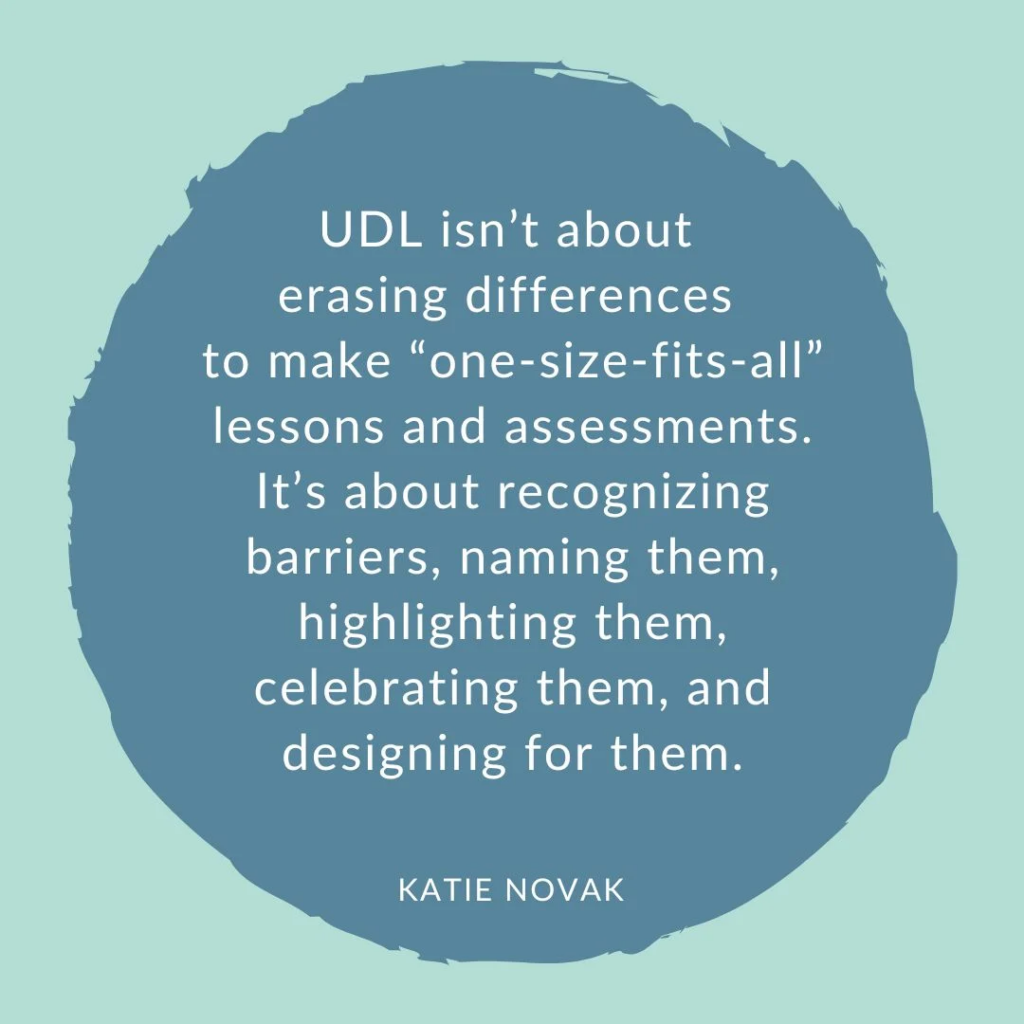
Lastly, I want to leave you with a quote by Katie Novak found on Novak Education.
Sorry, but comments are not enabled on this site.